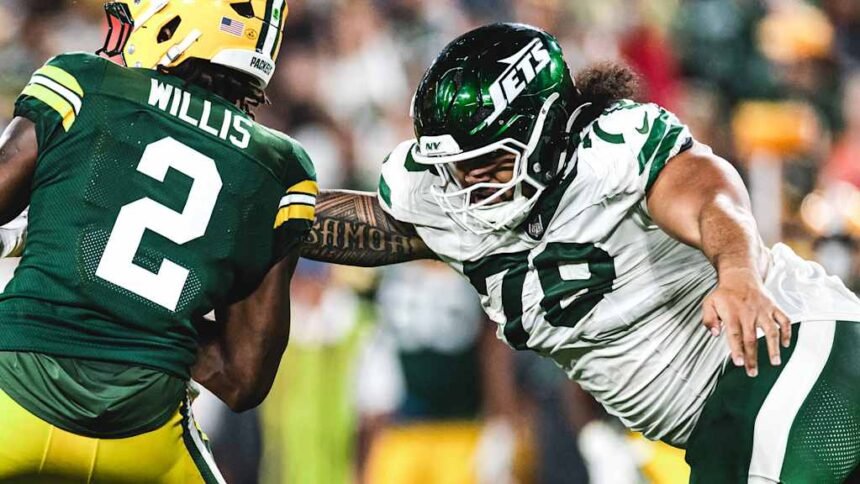
The clash between the New York Jets and the Green Bay Packers is always one to watch, with fans eagerly anticipating every touchdown, sack, and big play. In this article, we dive deep into the New York Jets vs Green Bay Packers match player stats, analyzing key performances, standout players, and how the numbers shaped the outcome of the game. From explosive offensive plays to critical defensive stops, we break down the statistics that tell the story beyond the scoreboard.
- Jets Offense: Rushing Dominance and Tactical Execution
- Jets Passing Attack: Efficient and Opportunistic
- Packers Offense: Struggling to Find Momentum
- Defensive Highlights: Big Plays and Game-Changing Moments
- Special Teams and Overall Impact
- Player-by-Player Performance Overview
- Conclusion: Understanding the Stats Beyond the Score
Jets Offense: Rushing Dominance and Tactical Execution
One of the most noticeable aspects of the game was the Jets’ powerful ground game. The team leaned heavily on their rushing attack, with Breece Hall leading the charge. Hall showcased his combination of speed and vision, amassing over 100 yards on the ground and finding the end zone once. His ability to break tackles and gain extra yards after contact was a defining factor in the Jets’ offensive rhythm.
Complementing Hall, the Jets’ backup running backs contributed crucial yardage, keeping the Packers’ defensive front on their heels. The offensive line deserves credit as well, consistently opening lanes and giving running backs the space needed to exploit Green Bay’s defensive schemes. Overall, the Jets averaged over 4.5 yards per carry, highlighting a rushing attack that was both consistent and punishing.
Jets Passing Attack: Efficient and Opportunistic
While the rushing game dominated headlines, the Jets’ passing game also played a vital role. Justin Fields orchestrated the aerial attack efficiently, completing key passes when drives needed a spark. Notably, the receivers showcased excellent route running and reliable hands, with multiple catches converting third downs and sustaining drives.
Corey Davis emerged as a primary target, hauling in several receptions and accumulating critical yardage. The offensive strategy balanced run and pass plays, keeping the Packers’ defense guessing. This dual-threat approach ensured that the Jets were able to control the tempo of the game while maintaining scoring opportunities throughout.
Packers Offense: Struggling to Find Momentum
The Green Bay Packers faced difficulties moving the ball consistently. Quarterback Jordan Love struggled against a disciplined Jets defense, completing a modest number of passes while failing to produce significant yardage. The running game was limited, with the offensive line often unable to create gaps against a relentless Jets front.
Allen Lazard and other key receivers had limited opportunities, though they made the most of the catches they did have. Despite these efforts, the Packers’ offensive drives frequently stalled, resulting in punts and missed scoring chances. Overall, the stats reflect a team that fought hard but was unable to execute effectively under pressure.
Defensive Highlights: Big Plays and Game-Changing Moments
Defense played a decisive role in the Jets’ victory. Quinnen Williams led the defensive line, recording multiple sacks and forcing turnovers that shifted momentum. The linebackers and secondary worked cohesively, effectively covering receivers and shutting down passing lanes.
The Packers’ defense had moments of brilliance as well, but they struggled to contain the Jets’ dynamic rushing attack. The numbers tell a clear story: the Jets’ offense consistently gained yardage, while the Packers’ defense could not respond with the same level of disruption. Key defensive stats such as tackles for loss, sacks, and forced fumbles all tilted in favor of the Jets, illustrating their ability to dominate both sides of the ball.
Special Teams and Overall Impact
Special teams also contributed to the overall performance, with successful field goals and solid returns providing advantageous field position for the Jets. The cumulative impact of offense, defense, and special teams underscores how well-rounded the Jets were in this matchup. Every phase of the game contributed to the statistical dominance captured in the New York Jets vs Green Bay Packers match player stats.
Player-by-Player Performance Overview
-
Breece Hall (Jets): 20 carries, 116 rushing yards, 1 TD
-
Justin Fields (Jets): 14/20 passing, 145 yards, 1 TD
-
Corey Davis (Jets): 6 receptions, 82 yards
-
Quinnen Williams (Jets): 2 sacks, 1 forced fumble
-
Jordan Love (Packers): 7/15 passing, 68 yards
-
Allen Lazard (Packers): 4 receptions, 76 yards, 1 TD
These numbers highlight the players who had the most influence on the game and demonstrate why the Jets emerged victorious.
Conclusion: Understanding the Stats Beyond the Score
Analyzing the New York Jets vs Green Bay Packers match player stats reveals much more than just the final score. The game was defined by a dominant rushing attack, efficient passing, disciplined defense, and timely special teams contributions. Every statistic paints a picture of a team performing cohesively, executing strategies effectively, and capitalizing on key moments.
For fans, analysts, and fantasy football enthusiasts, these stats provide invaluable insights into player performance and team dynamics. Understanding these numbers helps contextualize the highlights, giving a comprehensive view of how the Jets managed to outperform the Packers in this encounter.
If you’re looking for more in-depth analysis and comprehensive match breakdowns, stay tuned to Tag2, where every game’s stats are explored with precision and insight.