The Rise of an Unlikely Hero
Few names in Hollywood inspire as much admiration as Sylvester Stallone. From humble beginnings to global superstardom, his journey is the stuff of movie legend. Stallone isn’t just an actor; he’s a symbol of determination, perseverance, and the belief that raw grit can outshine all odds. Born in New York City in 1946, Stallone’s early life was far from glamorous. Complications during his birth left part of his face paralyzed, giving him that unmistakable slurred speech and drooping expression—traits that would later become his trademarks.
His youth was marked by hardship and struggle. Stallone attended various schools, often getting into trouble, yet always dreaming of something bigger. He wanted to act, to write, to tell stories that mattered. But Hollywood didn’t open its doors easily to a struggling kid with unconventional looks and a thick accent. Before the fame, Stallone took on odd jobs—cleaning lion cages, working as an usher, and even appearing in a few low-budget films just to survive.
Then came the idea that changed everything.
Writing His Way to Glory
In the mid-1970s, Stallone watched a boxing match between Muhammad Ali and Chuck Wepner—a fight that planted the seed for a story about an underdog who refused to quit. In a burst of inspiration, he wrote the script for Rocky in just three days. The screenplay was raw, emotional, and deeply personal—a mirror of Stallone’s own struggles in life.
Producers loved the story but wanted a different actor to play the lead. Stallone, however, stood firm. He refused to sell the script unless he could star as Rocky Balboa himself. It was a gamble that nearly cost him everything—he was broke, nearly homeless, and had even sold his dog to make ends meet. But his belief in himself never wavered.
That faith paid off. Released in 1976, Rocky became an instant sensation, winning three Oscars including Best Picture. Stallone’s performance turned him into a household name overnight. More importantly, it introduced the world to a character who represented the universal dream: that no matter how many times life knocks you down, you can always get back up.
From Rocky to Rambo: Building a Legacy
Following Rocky’s triumph, Sylvester Stallone solidified his place in Hollywood with another unforgettable character—John Rambo. In First Blood (1982), Stallone played the haunted Vietnam veteran turned one-man army. The film not only showcased his physical prowess but also explored themes of trauma, alienation, and the cost of war.
The success of Rambo and Rocky turned Stallone into one of the biggest action stars of the 1980s. His muscular physique, steely determination, and iconic one-liners defined the decade’s cinematic landscape. Films like Cobra, Cliffhanger, and Demolition Man cemented his image as Hollywood’s ultimate tough guy.
Yet Stallone was never just about brute strength. Beneath the muscles was a writer, a thinker, and a craftsman who carefully shaped his characters. He directed several of his films, ensuring they carried his unique blend of heart and heroism. While his competitors focused purely on spectacle, Stallone’s heroes always had a soul—flawed, wounded, but resilient.
Reinvention and the Art of Staying Relevant
As the 1990s rolled in, Stallone faced a familiar foe—relevance. The action genre was changing, and new stars were emerging. Some of his films underperformed, and critics began labeling him a relic of the past. But if life had taught Stallone anything, it was how to fight back.
He made a powerful return in Rocky Balboa (2006), a heartfelt sequel that silenced the doubters. The film’s message was clear: “It ain’t about how hard you hit; it’s about how hard you can get hit and keep moving forward.” That line became more than dialogue—it was Stallone’s philosophy, both on-screen and off.
Then came The Expendables (2010), Stallone’s love letter to the golden age of action. Bringing together legends like Arnold Schwarzenegger, Bruce Willis, and Jet Li, the film proved that the old guard still had plenty of fight left. The franchise’s success reminded audiences that Stallone wasn’t just surviving—he was thriving.
A New Chapter: From the Ring to the Screen and Beyond
The 2010s and 2020s ushered in a new era for Sylvester Stallone. He took on more emotionally layered roles, notably reprising Rocky in Creed (2015). His portrayal of an aging mentor earned him a Golden Globe and an Academy Award nomination, introducing him to a new generation of fans.
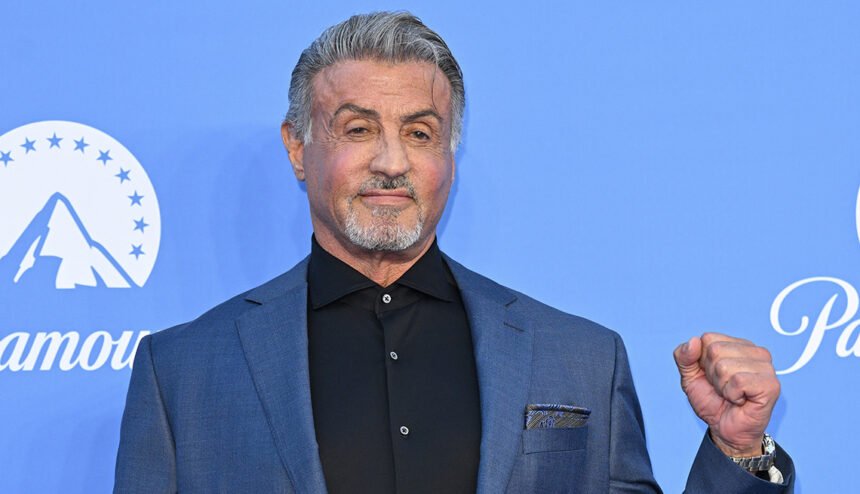
Off-screen, Stallone expanded his creative footprint. He founded Balboa Productions, producing films and series that combine action with strong storytelling. His recent work includes the gritty superhero film Samaritan and the hit Paramount+ series Tulsa King, where he plays an exiled mob boss rebuilding his life in Oklahoma.
Beyond acting, Stallone has become a figure of motivation. His interviews, social media posts, and speeches often focus on resilience, discipline, and self-belief. Even at nearly 80 years old, he continues to train daily, embodying the spirit of a true fighter.
The Man Behind the Legend
Behind the camera and the celebrity persona, Stallone’s life has seen its share of pain. He lost his eldest son, Sage, in 2012—a tragedy that profoundly affected him. Yet, true to form, he channeled his grief into strength, focusing on family and creative expression.
Married to former model Jennifer Flavin, Stallone is now a proud father of three daughters—Sophia, Sistine, and Scarlet. The family’s reality show, The Family Stallone, gives fans a rare glimpse into his private world, showing the softer side of the man once known for explosive action scenes.
Despite decades in the limelight, Stallone remains grounded. He often credits his faith, discipline, and family for keeping him centered. His story continues to inspire millions who see in him not just an action hero but a symbol of perseverance and authenticity.
The Enduring Legacy of Sylvester Stallone
What makes Sylvester Stallone timeless isn’t just his filmography—it’s his message. He’s proof that you don’t have to be born extraordinary to achieve greatness. You only need the courage to keep moving forward, no matter the odds.
From Rocky’s Philadelphia streets to the war zones of Rambo and the syndicates of Tulsa King, Stallone’s characters remind us that strength isn’t the absence of struggle—it’s the ability to rise after every fall. His story mirrors the one he wrote for Rocky Balboa: a testament to hard work, faith, and self-belief.
As Hollywood evolves, Stallone’s influence remains indelible. He inspired generations of actors, filmmakers, and dreamers to create their own path rather than wait for permission. His films continue to resonate, not because of explosions or fight scenes, but because they speak to the fighter within us all.
In a world that celebrates instant success, Stallone’s journey is a timeless reminder that perseverance wins in the long run. His life proves that failure is not final—and that true strength lies in never quitting.
As the credits roll on yet another chapter of his remarkable career, one thing is certain: Sylvester Stallone will always be the ultimate underdog who turned dreams into destiny.
And at Tag2, we believe that stories like his remind us why we fall in love with movies—and with the human spirit behind them.